Ha Giang Loop Weather by Month
Compare rain, cold, visibility and seasonal scenery across all 12 months, then choose the right Loop length, ride style and packing list for your dates.
Quick answer
When is the best time to do the Ha Giang Loop?
September to November and March to April are the easiest starting points for many travelers. These periods often balance comfortable riding conditions with strong seasonal scenery, but no month guarantees clear skies.
Official Vietnam Tourism guidance describes September to November as cooler, April to June as pleasant and warm, and July to August as hot with regular monsoons. The Loop is possible year-round when the itinerary, clothing and riding decisions match the actual conditions.
Read this first
Ha Giang does not have one single forecast
Ha Giang City, Du Gia, Dong Van and the high passes can feel completely different on the same day. Elevation, wind and cloud make mountain conditions change quickly, so a monthly guide is useful for packing and route choice, not for predicting one exact day.
- Check the short-range forecast again 24-48 hours before departure.
- Ask about local road conditions on the morning of each riding day.
- Expect route or viewpoint changes during heavy rain, dense fog or roadwork.
- Never treat a flower, rice-field or clear-sky date as guaranteed.
Month-by-month planner
Ha Giang Loop weather in every month
This table uses broad seasonal patterns. Conditions differ by altitude and year, so use it to choose clothing and itinerary length, then confirm the live situation locally.
Choose by experience
Best months for scenery, comfort and fewer crowds
Seasonal scenery is a bonus, not a product promise. We confirm what is currently visible and adjust stops rather than using old photographs as a guarantee.
Already have flights or bus dates?
Send the exact dates, group size and whether you prefer Easy Rider or Self Ride. We will suggest the most realistic Loop length for that season.
Seasonal overview
What each Ha Giang season feels like
Winter: December to February
Expect cold mornings, wind on exposed passes and periods of fog or drizzle. Some days are beautifully clear, but a proper warm layer, windproof outer shell and flexible start time matter more than the calendar.
Spring: March and April
Temperatures generally become milder and flowering landscapes attract many visitors. Cloud, light rain and cool high passes are still possible, so do not pack as if the whole route were tropical.
Warmer transition: May
Humidity and showers build as the landscape turns greener. May can combine hot lower valleys, cloudier passes and sudden rain within one riding day.
Rainy season: June to September
The UK travel advisory describes the rainy season in northern Vietnam as broadly June to September. Rain does not necessarily fall all day, but intense local showers can cause flooding, swollen rivers, landslides and blocked roads. Daily route decisions are essential.
Cooler autumn: October and November
These popular months often bring cooler conditions, harvest scenery and buckwheat flowers. Demand may rise around weekends and festival dates, while cold wind and fog can still affect mountain passes.
Weather and road safety
Can you do the Ha Giang Loop in the rain?
Often yes, but not by ignoring the weather. Light or intermittent rain can be managed with the right equipment and pace. Heavy rain, flooding, landslide warnings, poor visibility or an official road closure require a route change, delayed departure or stopping for the day.
- Check forecasts and local road reports. A city forecast alone cannot describe every pass.
- Use proper rain gear. A thin plastic poncho is not enough for hours of mountain wind and rain.
- Slow down before bends. Wet paint, mud, gravel and water crossings reduce grip.
- Keep extra daylight. Fog and rain make night riding substantially harder.
- Never cross moving floodwater. Wait, turn around or follow local authority guidance.
- Accept itinerary changes. A missed viewpoint is better than an unsafe road decision.
Read our detailed Ha Giang Loop rainy-season safety guide and the current UK government Vietnam safety advice.
Easy Rider or Self Ride
How weather should affect your ride style
Weather does not remove the legal requirements for Self Ride. A local Easy Rider also cannot control the weather, but can interpret the road, adjust pace and discuss practical alternatives with the team.
Compare both options in our Easy Rider vs Self Ride guide.
Seasonal packing
What to pack for Ha Giang weather
Bring in every month
- Closed footwear with reliable grip.
- Light layers that can be added or removed during the day.
- Waterproof jacket and trousers, not only a disposable poncho.
- Sun protection, lip balm and refillable water bottle.
- Quick-dry clothing and a dry bag for electronics.
- Only a small day bag; store large luggage in Ha Giang before departure.
Add for cold months and high passes
Pack a thermal base layer, fleece or insulated mid-layer, windproof shell, warm socks, neck covering and gloves. The wind while riding can feel much colder than a town forecast suggests.
Add for warm and rainy months
Bring breathable quick-dry layers, spare dry socks, stronger waterproof protection and insect repellent. Keep valuables in a separate sealed bag even when your main luggage has a cover.
Use the full Ha Giang Loop packing list before departure.
Detailed monthly guides
Plan your exact travel month
Choose your month for a focused guide to likely conditions, seasonal scenery, packing, safety and realistic route decisions. Weather still changes by elevation and exact travel date.
Choose the right pace
Best Loop length for changing weather
A longer tour cannot guarantee better weather, but it gives the team more time to adjust departures, stops and route priorities when conditions change.
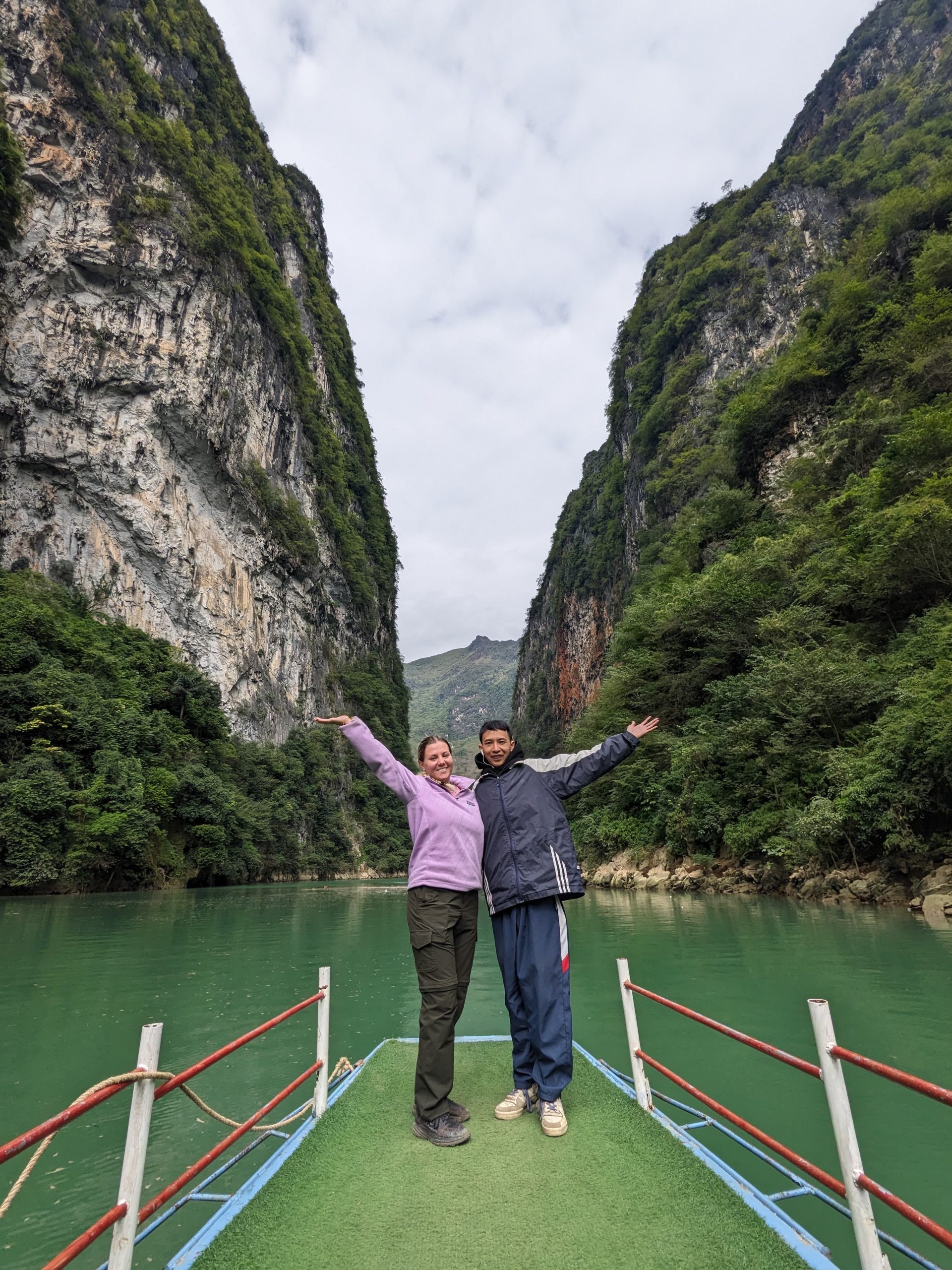
2D1N Short Loop
Fastest option and least flexible when rain or fog delays the route.
Easy Rider: 3,990,000 VND
Self Ride: 2,990,000 VND

3D2N Classic Loop
Best compact first trip, balancing major highlights with a practical three-day pace.
Easy Rider: 4,990,000 VND
Self Ride: 3,490,000 VND
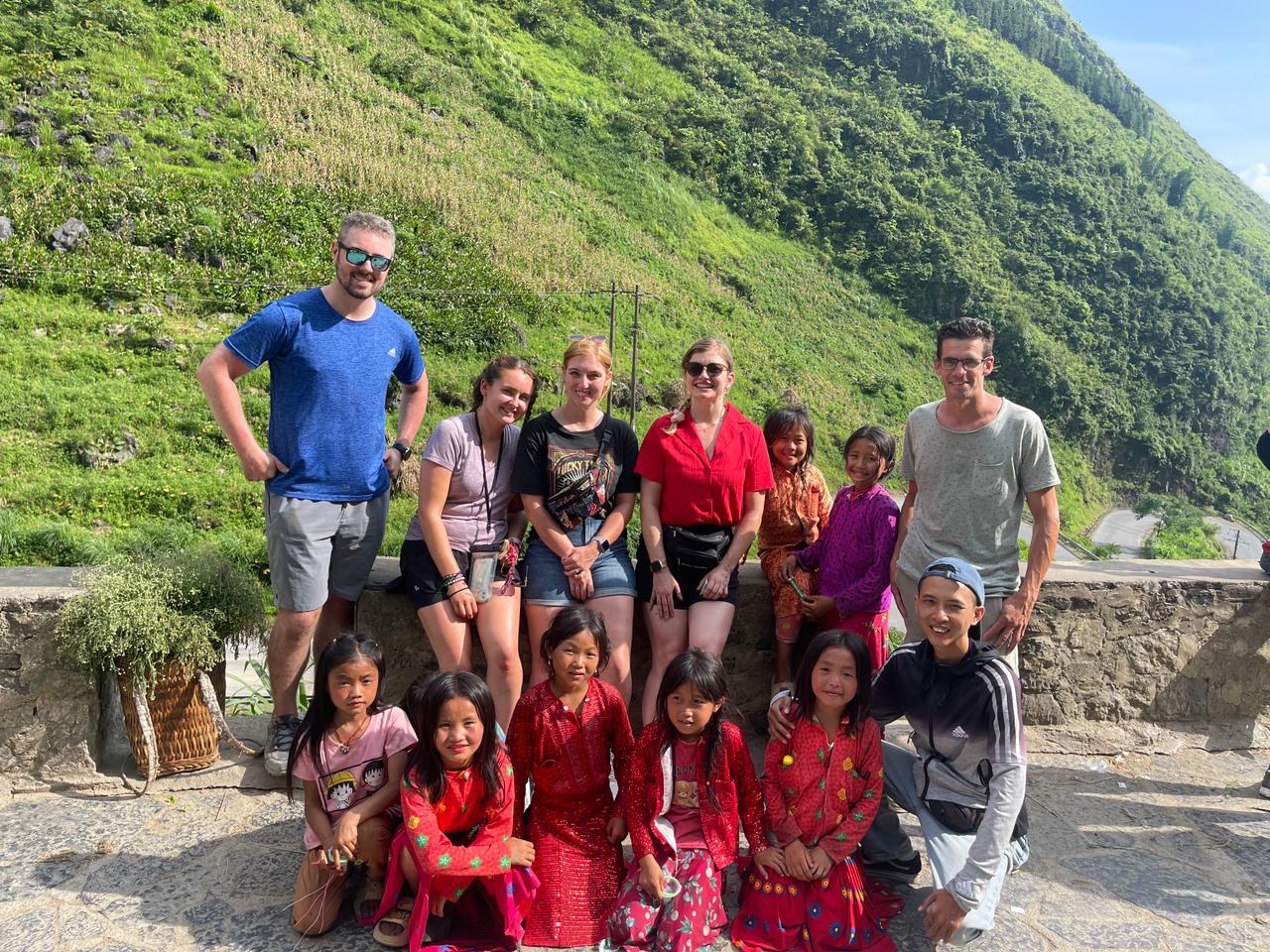
4D3N Relaxed Loop
Best overall pace and the most useful flexibility for seasonal stops or poor visibility.
Easy Rider: 6,590,000 VND
Self Ride: 4,590,000 VND
Need more control over stops and timing?
A private tour is useful for couples, families and photographers who want a pace shaped around visibility and seasonal interests. Private upgrade: +500,000 VND per person.
Ha Giang Vibes approach
Plan around the mountain, not only the calendar
Ha Giang Vibes was founded by Hoang Hai Vu, a local driver since 2019. We use the season to prepare the right equipment and itinerary, then use current visibility, road information and local guidance for each day’s decision.
- Local Easy Riders familiar with changing mountain conditions.
- Small groups and private options with a realistic riding pace.
- Clear inclusions and prices confirmed before payment.
- One-way VIP cabin bus from Hanoi or Sapa for confirmed bookings.
- Private ensuite pre-tour room at our Ha Giang hotel.
- Private-room upgrade during the Loop: 500,000 VND per room per night, subject to availability.
Guest perspective
Weather support matters after the forecast changes
Planning sources
Official references used for this guide
Seasonal patterns are useful, but they do not replace a current forecast or local authority instruction. These sources support the broad weather and safety guidance above.
FAQ
Ha Giang Loop weather FAQ
What is the best month for the Ha Giang Loop?
There is no guaranteed best month. March-April and September-November are strong all-round choices for many first-time visitors because conditions are often milder, while each season offers different scenery.
Which months are rainy in Ha Giang?
The broad northern rainy season runs from June to September, with July and August commonly experiencing regular monsoon conditions. Heavy rain can also occur outside these months.
Does it rain all day during the rainy season?
Not necessarily. Rain can arrive as short intense showers, longer wet periods or localized storms. The important issue is the effect on visibility, road surfaces, rivers and landslide risk.
What are the coldest months?
December-February are generally the coldest. Wind and elevation can make Dong Van and exposed passes feel much colder than Ha Giang City.
Is July or August safe for the Loop?
The Loop can operate in July and August, but safety depends on the actual forecast and road conditions. Use proper rain protection, ride in daylight and accept delays or route changes during heavy rain.
When can I see golden rice fields?
September into October is the usual broad window, but each valley is planted and harvested at a different time. Hoang Su Phi’s famous terraces are not on the standard Loop.
When do buckwheat flowers bloom?
They are commonly associated with October-December, especially around Dong Van and Meo Vac. Exact flowering depends on sowing dates, elevation and weather.
Is 3D2N or 4D3N better in uncertain weather?
4D3N gives more time and practical flexibility. 3D2N remains the best compact first visit, while 2D1N has the least room for weather-related delays.
Should I choose an Easy Rider in bad weather?
Choose an Easy Rider when you are not legally licensed, lack mountain-road experience or do not feel confident in rain and fog. Even with an Easy Rider, the route may change when conditions are unsafe.
How accurate is a Ha Giang weather forecast?
Use it as guidance rather than a promise. Mountain microclimates mean conditions can differ between Ha Giang City, Du Gia, Dong Van and Ma Pi Leng, so local checks remain important.
Choose the right plan for your dates, not a promise about perfect weather
Send your travel dates and preferred ride style. Ha Giang Vibes will help you choose a practical route, prepare for the season and understand every inclusion before booking.