Ha Giang Loop in January: Weather, Cold Mornings & Travel Tips
January is a true winter month on the Ha Giang Loop. Cold mountain air, fog and Tet travel dates can affect the experience, but careful planning can reward you with dramatic roads, quieter viewpoints and early signs of spring.
Quick answer
January is worth doing, but it is not a warm-weather Loop.
January suits travelers who can accept cold mornings, changing visibility and a slower winter rhythm. Clear spells can reveal striking limestone landscapes, while fog can hide the same viewpoint an hour later. Good clothing and flexible route decisions matter more than choosing a supposedly perfect date.
- Best for travelers who prefer winter atmosphere, local life and quieter scenic stops.
- 3D2N covers the classic route; 4D3N gives more room to adjust around fog and cold starts.
- Easy Rider is strongly recommended when you lack mountain riding experience or a valid licence for Vietnam.
Weather
What is Ha Giang Loop weather like in January?
January is commonly among the coldest parts of the northern Vietnam winter. Conditions change with altitude and each cold-air event: Ha Giang City can feel manageable in daylight while the Dong Van Karst Plateau and Ma Pi Leng Pass feel significantly colder. These are preparation ranges, not a forecast for your dates.
WeatherSpark’s historical city data identifies January as Ha Giang City’s coldest month. Mountain passes sit higher and may feel colder, so city averages should not be used as a pass-level forecast.
Check the conditions close to departure
January weather can change quickly between Ha Giang City and the high plateau. Send us your date so we can review the current forecast, bus timing and route pace before you commit.
For an official national forecast, check Vietnam’s National Center for Hydro-Meteorological Forecasting before departure.
January conditions
What scenery can you expect in January?
January landscapes often feel quiet and cinematic: dark limestone ridges, pale winter fields, cloud layers and clear blue windows between foggy periods. Depending on the year and location, peach, plum or mustard flowers may begin to appear as spring approaches, but bloom timing should never be treated as guaranteed.
The practical challenge is temperature rather than scenery. Cold hands reduce control, fog shortens visibility and dew can make shaded bends slippery. A professional route plan leaves space to wait, slow down or change a stop.
- Mountain views may move from clear to foggy within the same riding day.
- High passes feel colder than the forecast for Ha Giang City suggests.
- Nho Que boat trips remain subject to local operations, water and weather conditions.
- Snow is rare; cold waves, frost, drizzle and fog are more realistic January concerns.
Tet & holiday planning
Will Lunar New Year affect a January trip?
Tet follows the lunar calendar, so its date changes every year and may fall in late January or February. Around the holiday, VIP cabin buses, private rooms and local services can fill earlier or operate on adjusted schedules. The atmosphere can be special, but spontaneous transport becomes less reliable.
- Check the Tet dates for your travel year before booking flights or buses.
- Confirm transport and accommodation instead of relying on walk-in availability.
- Allow flexibility because some family-run services may close or change hours.
- Respect local celebrations and ask before photographing private ceremonies.
Route advice
Which Ha Giang Loop tour should you choose in January?
January rewards a realistic itinerary. The route should leave enough daylight for mountain sections and enough flexibility to delay departure when fog is thick.
- Choose 3D2N if you want the classic Loop highlights in a compact schedule.
- Choose 4D3N for the most comfortable January pace, more local stops and extra room for changing visibility.
- Choose a Private Tour if you are a couple, photographer, family or small group that wants control over departure times and stops.
- Choose Easy Rider if you are not fully confident riding mountain passes, especially with cold air, fog or long downhill sections.
Packing tips
What should you pack for Ha Giang in January?
January packing should protect your core, hands and neck from wind while remaining easy to adjust. One very bulky item is less useful than several layers you can add or remove.
- Thermal base layer, fleece and a windproof or water-resistant jacket.
- Warm gloves that still allow movement, neck warmer and closed shoes with good grip.
- Long trousers, spare warm socks, light rain layer and dry protection for electronics.
- Lip balm, sunscreen, water bottle, power bank, cash and a passport copy.
Read the complete Ha Giang Loop packing list before you leave Hanoi or Sapa.
Recommended tours
Best Ha Giang Vibes tours for January
These options balance winter road time, comfort and the major Loop highlights without hiding the price.
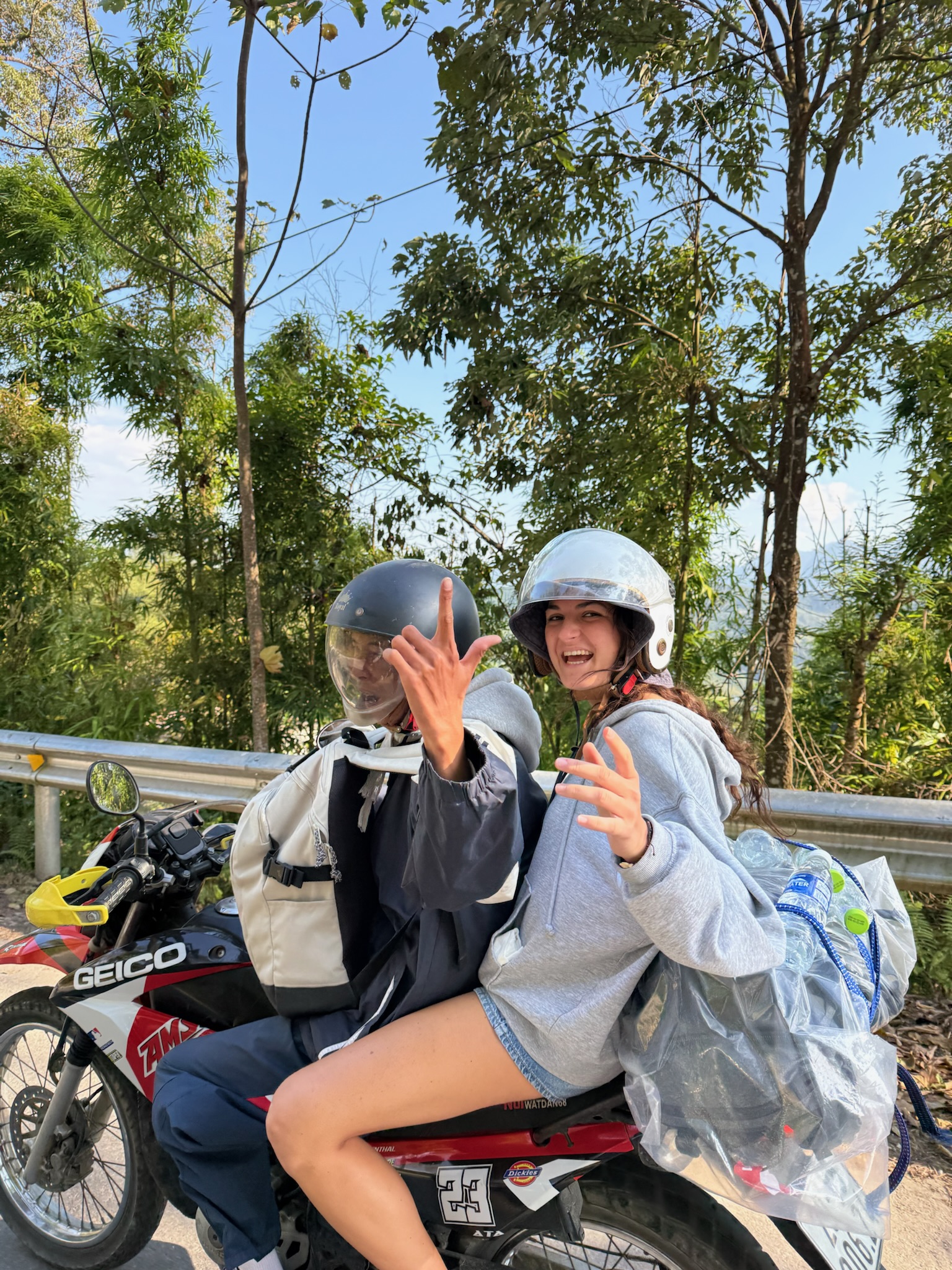
3D2N Classic Loop
Classic highlights in a compact route. Easy Rider from 4,990,000 VND; self-ride from 3,490,000 VND.
View 3D2N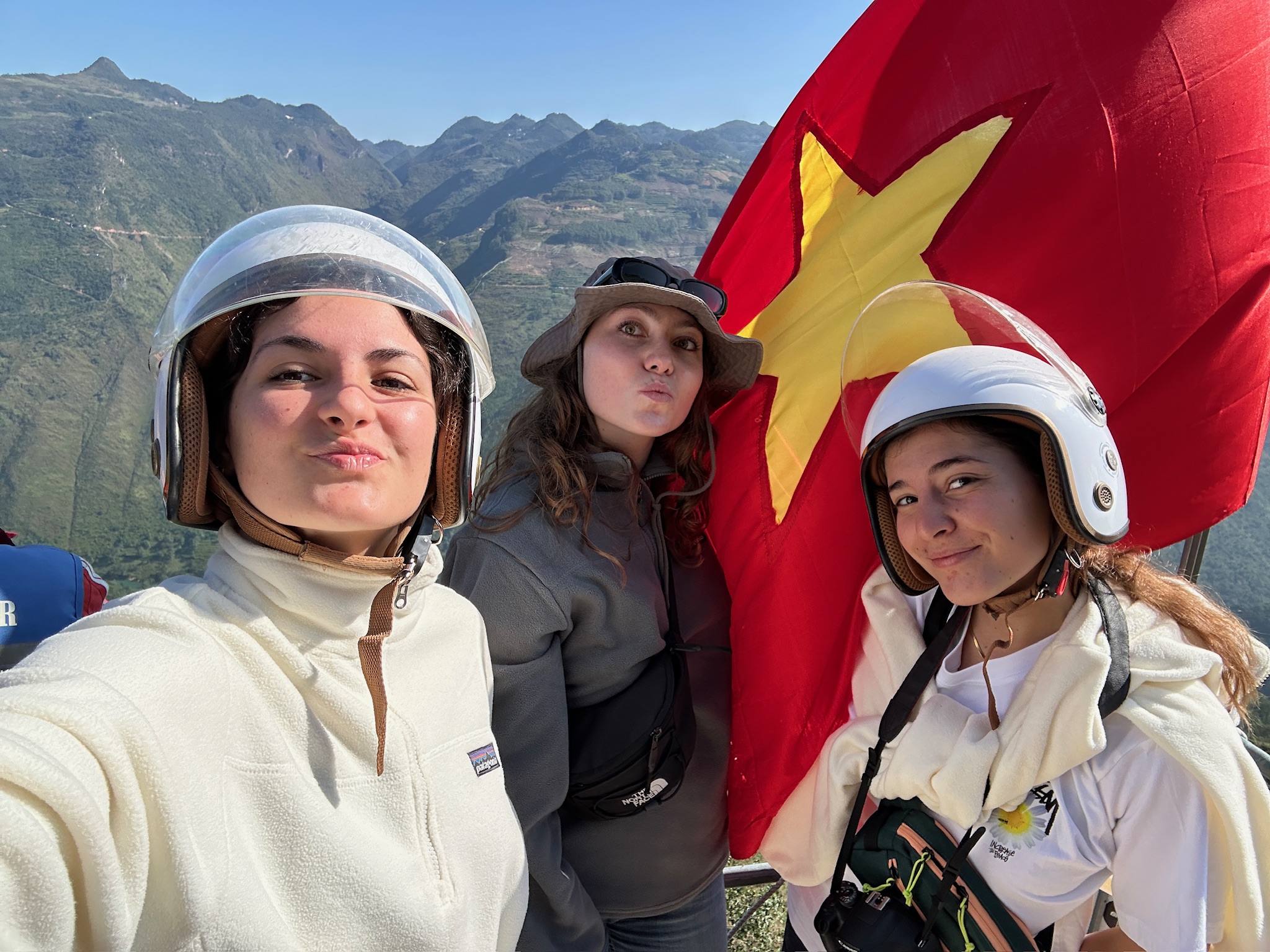
4D3N Best Pace
Our best winter pace with more flexibility. Easy Rider from 6,590,000 VND; self-ride from 4,590,000 VND.
View 4D3N
Private January Tour
Best for couples, photographers and families who want to adjust departure time, stops and daily pace.
View Private TourHa Giang Vibes comfort
What is included when you book with Ha Giang Vibes?
Arriving rested is especially valuable before a cold January start. We coordinate the first part of the journey so guests do not need to find a dorm or basic bus after arrival.
- One-way inbound VIP cabin bus from Hanoi to Ha Giang or Sapa to Ha Giang with a confirmed tour.
- Private ensuite pre-tour room at our Ha Giang hotel before departure, not a shared dorm bed.
- Local Easy Riders, small groups and route advice from people who know the roads.
- Clear prices before confirmation. Any onward bus after the tour is quoted and paid separately.
Local experience & verified reviews
January advice from a Ha Giang team
Ha Giang Vibes was founded by Hoang Hai Vu, who began working as a local driver in 2019. Our winter advice comes from actual mountain-road experience with international guests. We do not promise sunshine or flowers; when cold, fog or holiday schedules change the plan, safety and clear communication come first.
FAQ
Ha Giang Loop in January FAQs
Is January a good time for the Ha Giang Loop?
Yes, for travelers who prepare for cold mornings and accept changing visibility. Winter views can be beautiful, but good clothing and flexible timing are essential.
Are there flowers in Ha Giang in January?
Peach, plum, mustard or other spring flowers may begin appearing in some areas, but timing changes with altitude and weather. No specific bloom can be guaranteed.
How cold is Ha Giang in January?
Lower areas may reach roughly 14-21°C in daylight, while highland mornings can feel around 5-14°C and occasionally colder during a strong cold wave.
Does it rain in January?
January is outside the main summer rainy season, but mist, drizzle, dew and damp roads can still affect mountain riding.
Should I choose Easy Rider in January?
Easy Rider is recommended for most first-time visitors because cold, fog and mountain roads demand confidence, concentration and local judgement.
Will Tet affect my January trip?
It can. Tet moves between late January and February depending on the year. Bus seats, rooms and local services may fill early or use adjusted schedules.
Want to check your January Ha Giang Loop date?
Send your date, group size and riding experience. Ha Giang Vibes will recommend a January-ready route and confirm tour, VIP cabin and private pre-tour room availability.