Ethnic Culture in Ha Giang: People, Traditions & Local Life
The Ha Giang Loop is not only a mountain road. It passes through living communities with different languages, homes, markets, crafts, food and family traditions. Here is how to learn respectfully.
Quick answer
What makes Ha Giang culturally special?
Ha Giang is home to many distinct ethnic communities, not one single “mountain culture.” Languages, clothing, architecture, food, beliefs and celebrations vary by community, village, family and generation.
UNESCO identifies 17 ethnic groups within the Dong Van Karst Plateau UNESCO Global Geopark, including Mong, Lo Lo, Co Lao, Bo Y, Dao and Tay communities. Provincial cultural sources describe 19 ethnic groups across the wider Ha Giang area.
The respectful way to experience this diversity is to slow down, listen to local explanations, ask before taking photographs and remember that villages and markets exist first for the people who live there.
People and communities
Who lives along the Ha Giang Loop?
Travelers will often hear about Hmong, Dao, Tay and Lo Lo communities, but the region is more diverse than four names. Giay, Nung, Co Lao, Bo Y, Pu Peo and other communities also contribute to local life. No short guide can fully represent every subgroup or village.
The term “ethnic minority” is widely used in official tourism and administrative writing in Vietnam. In conversation, using the community’s own name is usually more specific and respectful than calling people “tribes.”
Living culture
Tradition is part of daily life, not a performance for visitors
UNESCO describes communities in the geopark preserving identity through language, customs, crafts, festivals, folk literature and performing arts. These traditions continue alongside smartphones, motorbikes, schools, tourism and changing livelihoods.
A person wearing modern clothes is not “less authentic.” A family may use an old earthen house and new appliances, speak several languages or adapt a craft for today’s market. Culture remains real because people continue to shape it.
Homes, textiles and architecture
What can you learn from buildings and handmade objects?
Across the region you may see rammed-earth walls, timber frames, stone boundaries, stilt houses and yin-yang tile roofs. Materials and forms respond to elevation, climate, available resources, history and the needs of each household.
UNESCO highlights the Vuong Family Palace in Sa Phin, built with green stone, Po mu wood and terracotta tiles, as well as Dong Van Ancient Quarter, where preserved houses reflect local interpretations of architecture and feng shui.
Textiles can involve hemp, indigo, batik, embroidery, applique and silver accessories, but techniques differ by community. The official Vietnam Tourism guide to traditional clothing provides useful background on Hmong, Dao and Tay dress.
- Ask before touching textiles, tools, altars or household objects.
- Buy directly from makers when possible and ask who made the item.
- Do not assume every colorful object is handmade locally.
- Avoid aggressive bargaining over work that may require many days to produce.
Weekly markets
Markets are social and economic spaces, not staged attractions
Vietnam Tourism notes that Dong Van and Meo Vac typically hold Sunday markets where residents from surrounding villages gather to trade, eat and meet. Schedules can change around holidays, weather and local arrangements, so confirm the date before building your route around one market.
Arrive curious, not entitled. A market visit may be quiet, crowded, muddy or focused on practical trade. Its value does not depend on how many people wear traditional clothing for your camera.
Food and hospitality
Local food reflects climate, crops and family life
Corn, rice, buckwheat, vegetables, herbs and preserved foods all appear in Ha Giang cuisine. Five-colored sticky rice, buckwheat cakes, corn-based dishes and shared hot meals are often introduced to travelers, but recipes and meanings vary by family and community.
If a host offers tea, food or corn wine, accept or decline politely. Never pressure someone to drink, and do not drink alcohol before riding. Tell the tour company about allergies or dietary needs early because remote kitchens may have limited alternatives.
Interested in markets, food and village life?
Tell us what matters most and your travel date. We can recommend a route with more time for meaningful local stops.
Respectful travel etiquette
How should visitors behave in villages and homes?
Good etiquette is simple: ask, observe and let your local host or guide lead. Customs differ, so local instructions are more useful than a universal list.
- Ask before photographing anyone, especially children, elders, ceremonies and people working.
- Wait for an invitation before entering a home, private room, kitchen area or worship space.
- Do not touch altars or ceremonial objects unless your host clearly says it is acceptable.
- Dress and speak respectfully, particularly at homes, memorial spaces and ceremonies.
- Do not give sweets or money directly to children for photographs. Support local businesses or appropriate community channels instead.
- Buy thoughtfully and ask about the maker rather than treating every textile as a souvenir prop.
- Never fly a drone without checking local restrictions, border rules, privacy and community permission.
- Accept that “no” needs no explanation. A resident does not owe visitors a photograph, conversation or home visit.
Villages and homestays
Where can travelers learn about local life?
Places such as Nam Dam, Lo Lo Chai, Lung Cam and villages around Du Gia can offer insight into different landscapes and community tourism models. The experience varies from a family-run homestay to a developed cultural village with cafes and guest services.
A homestay is still someone’s workplace and living environment. Follow quiet hours, ask about shoes and sleeping arrangements, use water thoughtfully and confirm whether meals, private rooms and bathroom facilities are shared.
- Choose locally owned accommodation where possible.
- Ask how your payment supports the host family or village.
- Do not expect an unplanned family ceremony or private ritual.
- Keep noise low and avoid turning a quiet village into a party stop.
Festivals and ceremonies
Can you plan a tour around a local festival?
Sometimes, but dates may follow lunar calendars or local decisions and can change. Festivals are community events with religious, family or historical meaning, not guaranteed tour performances.
If your trip overlaps with an event, ask whether visitors are welcome, where photography is allowed and how to participate without interrupting. A respectful guide may recommend observing from a distance rather than entering every activity.
Choose the right route
Which Ha Giang Loop tour is best for culture?
Cultural travel needs time. A route that stops only long enough for photographs will teach less than one with space for a market, shared meal, guided walk or conversation.
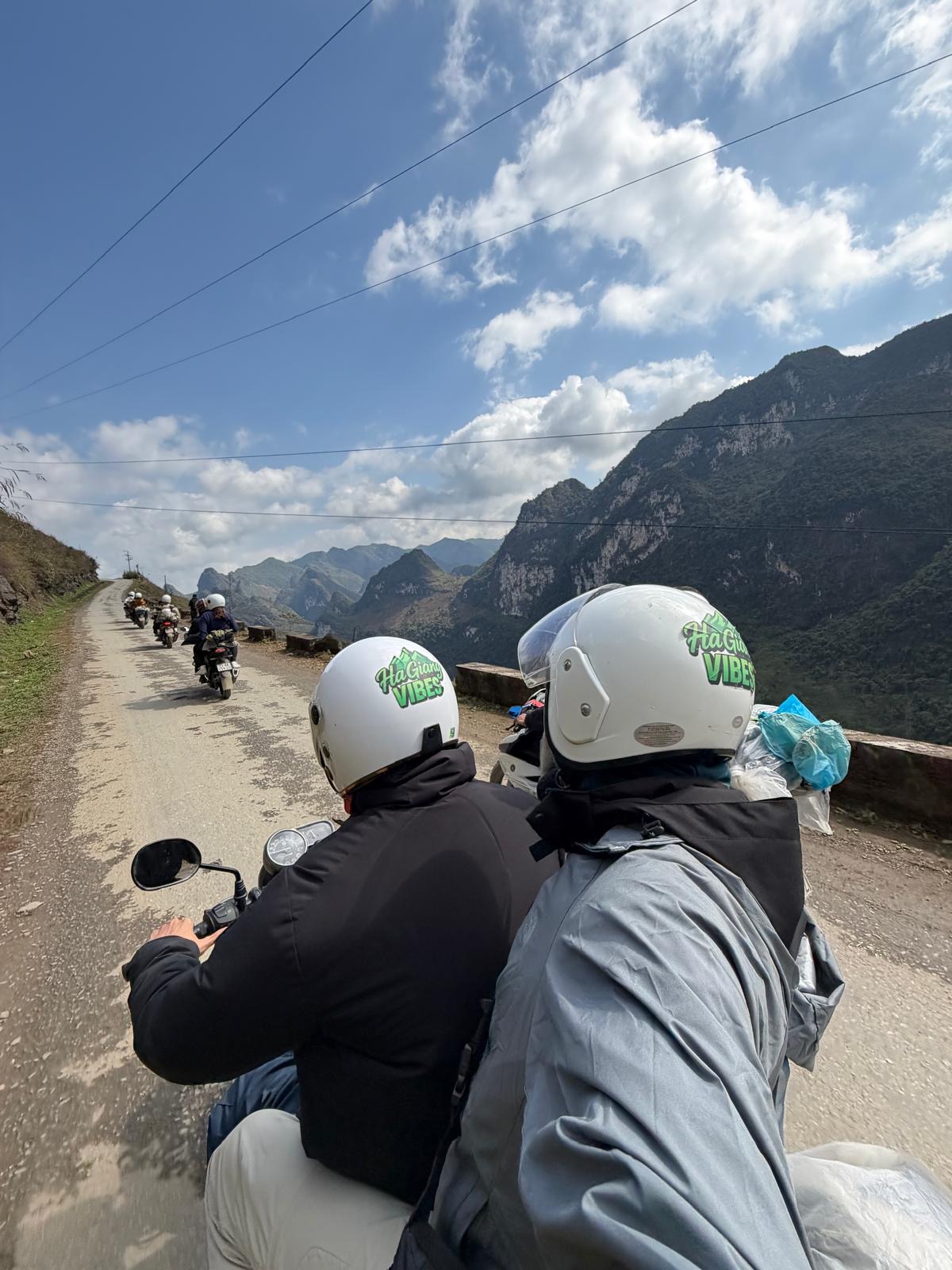
3D2N Classic Loop
Good for major landscapes and selected cultural stops when your time is limited.
Easy Rider: 4,990,000 VND
Self Ride: 3,490,000 VND
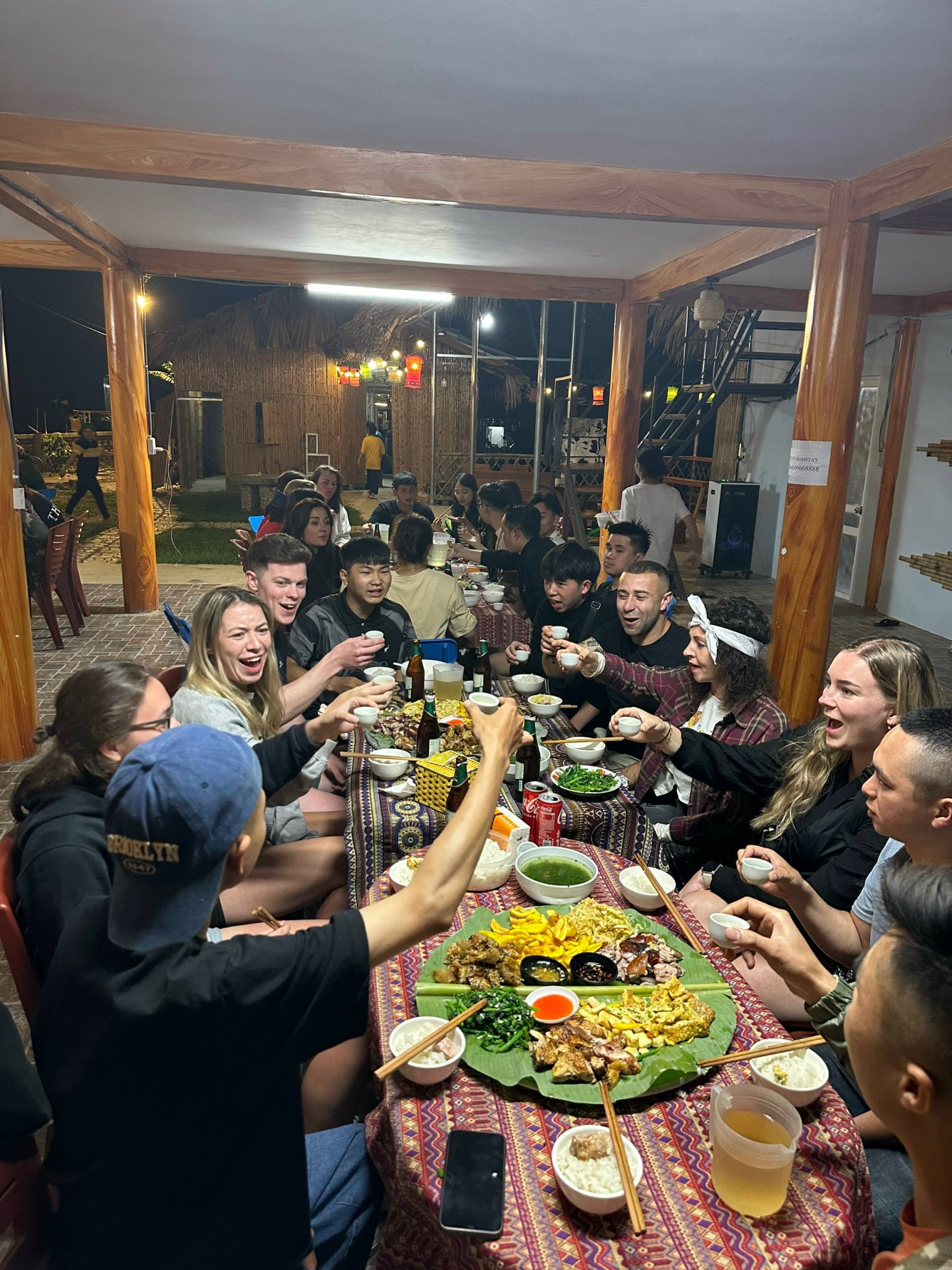
4D3N Slower Loop
Best overall balance for villages, Nam Dam, Lung Cu, local meals and less-rushed stops.
Easy Rider: 6,590,000 VND
Self Ride: 4,590,000 VND
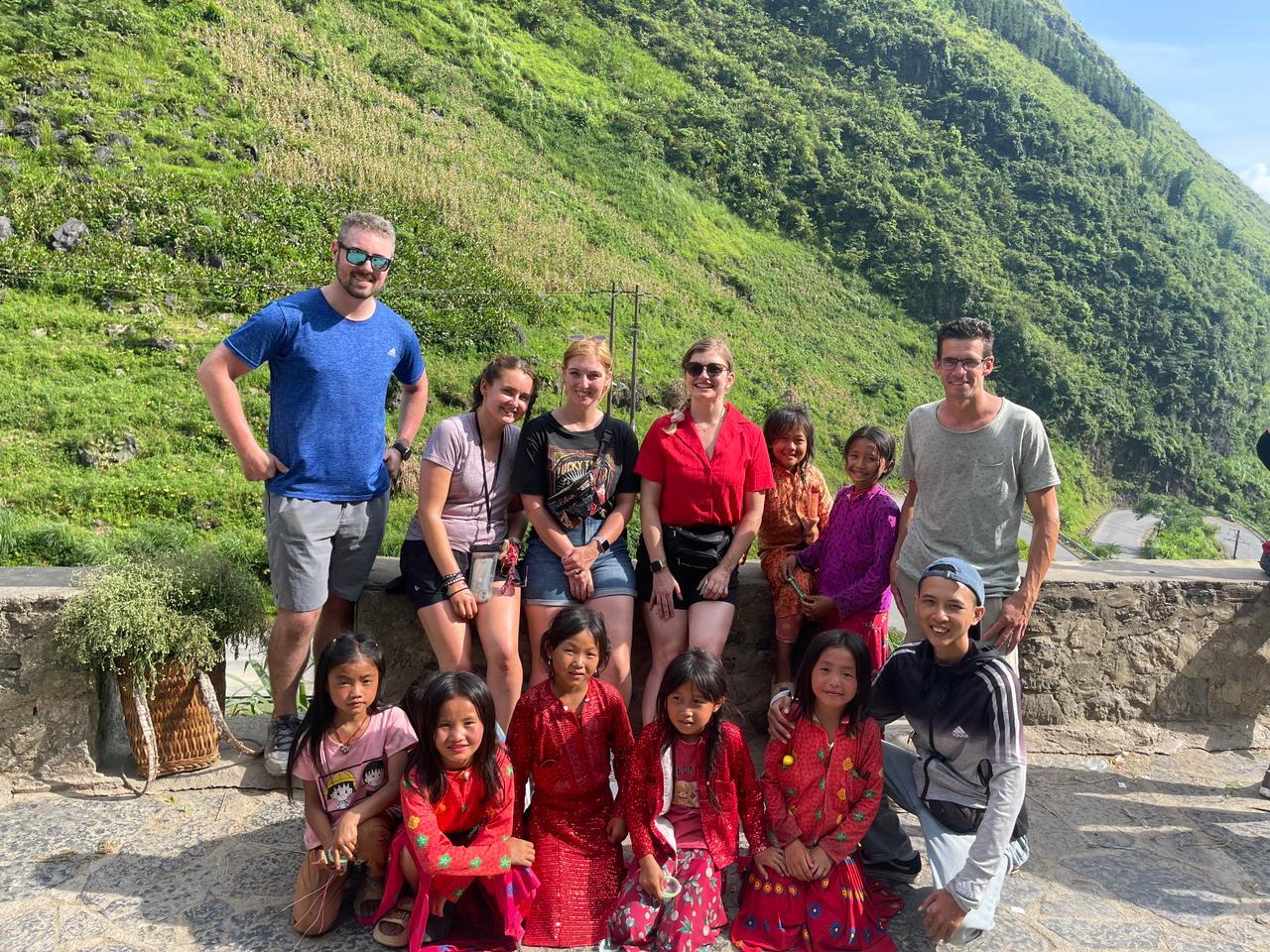
Private Cultural Route
Best for market timing, photography, family travel and longer conversations or village walks.
Upgrade: +500,000 VND per person
View Private TourMarket days, festivals and personal encounters cannot be guaranteed. Confirm your date first and allow the local guide to recommend what is appropriate and genuinely available.
Ha Giang Vibes approach
Local travel should create connection without intrusion
Ha Giang Vibes was founded by Hoang Hai Vu, a local driver since 2019. We use local knowledge, manageable groups and direct route planning to help guests understand more than the viewpoints.
- Local Easy Riders who can explain places and appropriate behavior.
- Small-group and private options for quieter, less-rushed visits.
- No promise of staged ceremonies or forced photographs with residents.
- Route advice based on actual market days, weather and community access.
- One-way VIP cabin bus from Hanoi or Sapa for confirmed bookings.
- Private ensuite pre-tour room at our Ha Giang hotel before departure.
Guest perspective
Look for reviews that mention people and local choices
Scenery is easy to praise. More useful reviews describe whether the guide created thoughtful stops, communicated clearly and matched the route to the guests.
FAQ
Ethnic culture in Ha Giang FAQ
How many ethnic groups live in Ha Giang?
UNESCO identifies 17 ethnic groups within the Dong Van Karst Plateau Geopark. Provincial cultural sources describe 19 groups across the wider Ha Giang area.
Which ethnic communities will I meet on the Loop?
Routes commonly pass areas associated with Mong or Hmong, Dao, Tay, Lo Lo and other communities. Who you meet depends on the route, market day, accommodation and normal daily life.
Can I photograph people in traditional clothing?
Ask first and wait for clear consent. Traditional clothing does not make someone a public attraction, and parents or guardians should consent before photographs of children.
When are the Dong Van and Meo Vac markets?
They are typically held on Sunday, but schedules may change. Confirm the date locally before planning transport or a private route around the market.
Can I visit a local home?
Only when invited or when the visit is appropriately arranged. Follow your host’s guidance about shoes, seating, altars, photography and private rooms.
Is 3D2N enough for cultural experiences?
It can include selected stops, but 4D3N or a private tour provides more time for villages, local meals, markets and conversation without rushing.
Are festivals guaranteed during a tour?
No. Dates and access can change, and some ceremonies are private. A responsible tour should never invent or stage a tradition simply to satisfy an itinerary.
How can my trip support local communities?
Use locally owned accommodation and food businesses, buy directly from makers, pay fair prices, respect privacy and avoid behavior that turns children or ceremonies into photo opportunities.
See the mountains, but take time to understand the people who live among them
Send your travel date and cultural interests. Ha Giang Vibes will help you choose a respectful route, suitable pace, VIP cabin bus and pre-tour room before you book.